
LOOK AT THE MOISTURE, AS WELL AS THE MARK
Mould removal
London
Treat the affected area.
Understand what needs fixing.
Tell Bob’s where mould is appearing, how far it has spread and whether it has returned after cleaning. The condition of the surface and the cause of moisture matter before a treatment can be agreed.
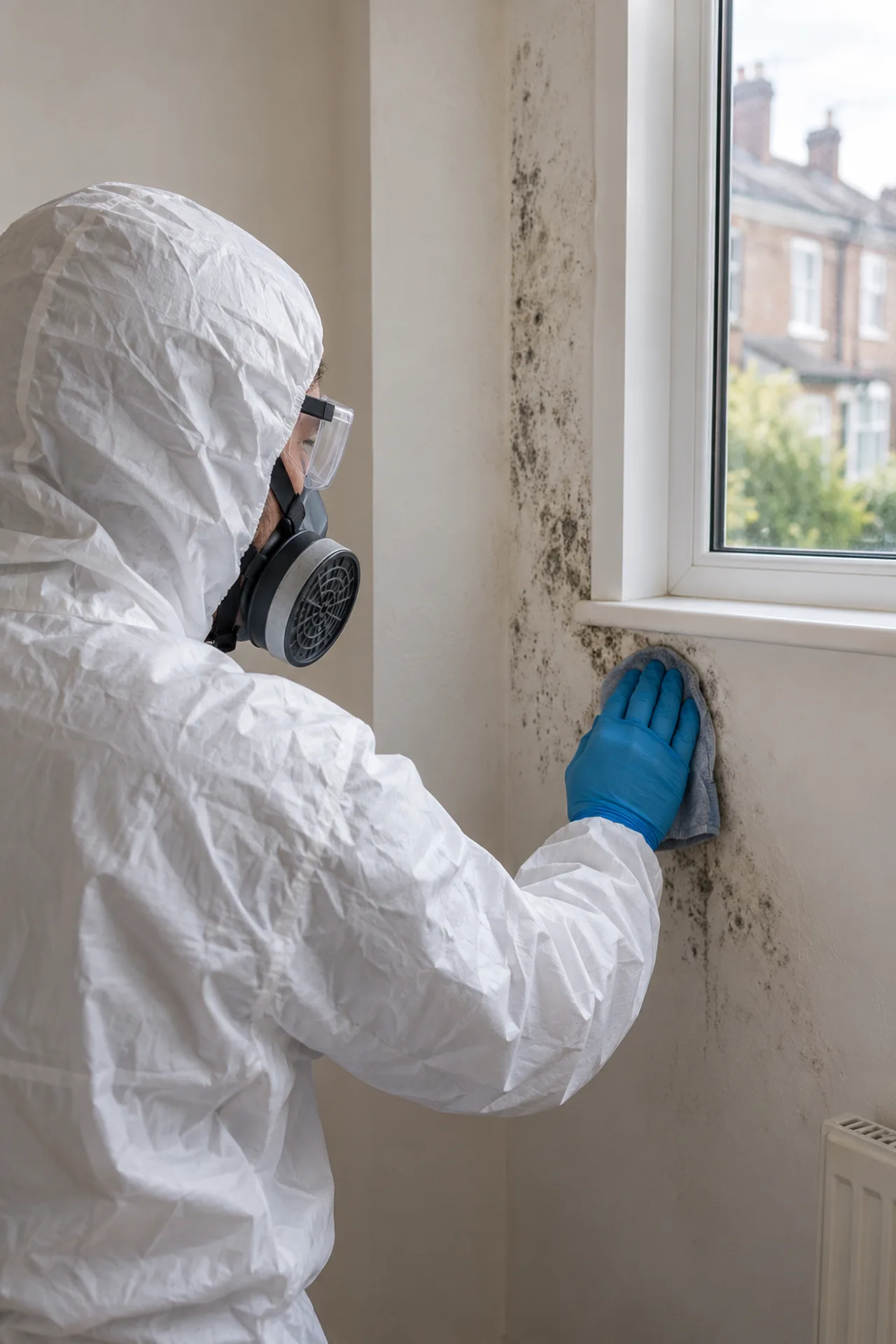
MOULD & THE PROPERTY
A visible patch
is only the starting point.
Mould can appear around a window reveal, in a bathroom corner or behind furniture where air movement is limited. The visible area gives useful information, but appearance alone does not identify the source of moisture or the full extent of the problem. A cleaning request should therefore describe the location, history and condition rather than treating every dark mark as the same job.
Bob’s offers a mould removal enquiry route for London properties. Explain whether the area is on painted plaster, sealant, grout, a ceiling or another material. Say whether a leak has been identified, whether the surface feels damp and whether previous treatment only helped temporarily. Those details allow a suitable scope and any need for further investigation to be discussed.
Surface treatment and fixing a building defect are different pieces of work. If moisture is still entering the area, cleaning alone may not stop the growth returning. Do not interpret an improved appearance as proof that a leak, ventilation problem or damaged building material has been resolved. The cleaning limits need to be clear before the appointment is agreed.
INFORMATION FOR AN ASSESSMENT
Report the history.
Not just the dimensions.
Note when the growth first appeared and whether it changes with weather or room use. A patch beneath a leaking roof, one beside a plumbing fitting and one on a cold window wall may require different follow-up. You do not need to diagnose the cause yourself. Describe what you have seen and keep a simple record of dates and photographs where it is safe to do so.
Mention earlier cleaning, repainting or products applied to the surface. Repeated treatment can hide the history without addressing the underlying moisture. If paint is bubbling, plaster is soft or a surface is breaking up, say so before any visit. Disturbing damaged material is not something to assume belongs in a general surface clean.
For rented homes, report damp and mould promptly to the landlord or managing agent and keep the correspondence. Do not wait for a moving-out appointment to raise a recurring problem. A cleaner does not decide responsibility for a building defect or a deposit deduction. Sharing the history helps the relevant people investigate and organise the right work.
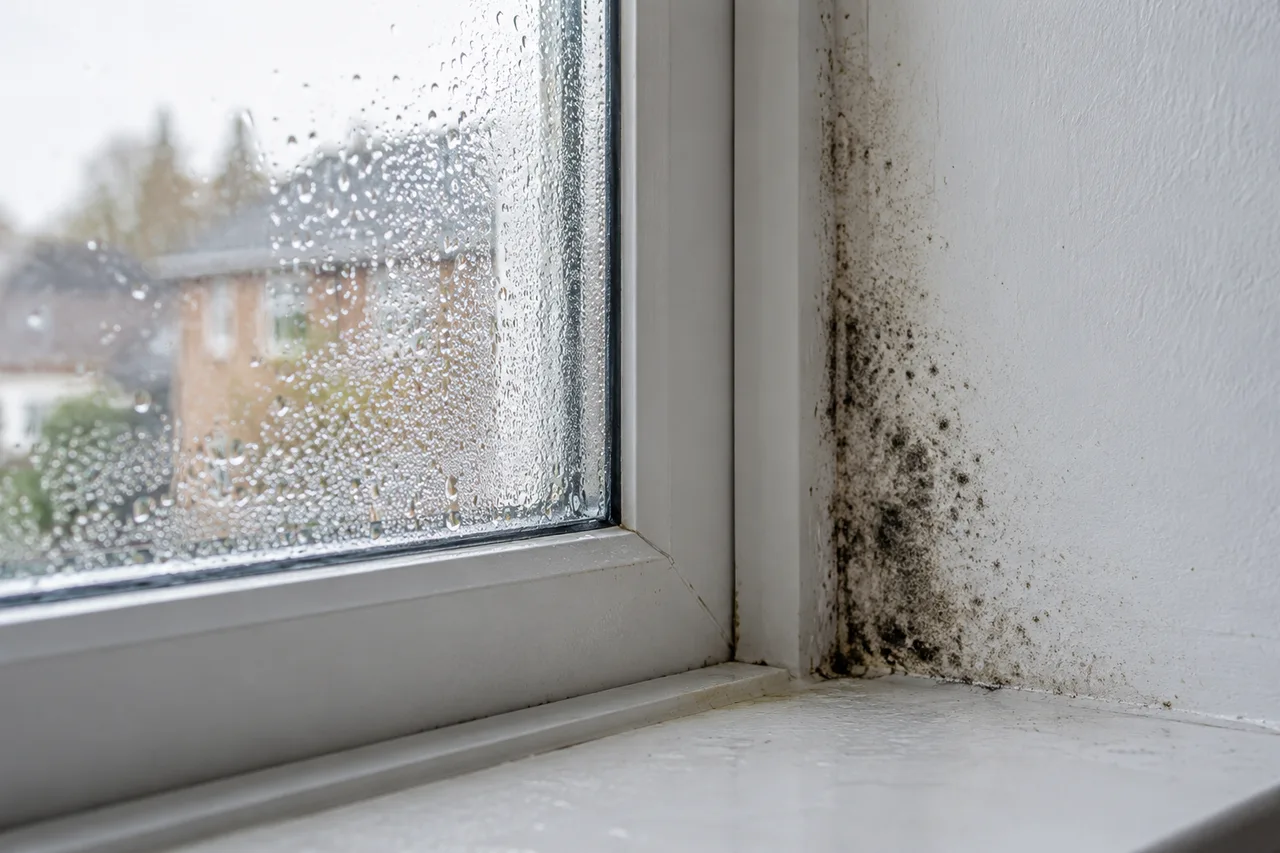
SCOPE & LIMITS
Treatment and repair
are separate decisions.
Do not assume that painting over the area forms part of mould removal. Redecoration, material replacement and damp investigation each need an explicit agreement. A fresh coating can conceal a mark while moisture remains behind it. If another contractor is repairing the cause, share the intended sequence so surface work is not booked before the problem has been made ready.
The location also affects access. Growth high on a ceiling, behind fitted units or inside a void is not equivalent to an accessible wall patch. Describe restricted or high-level areas when you call. The appropriate equipment and competence must be established before anyone attempts to reach or disturb them.
| Situation | Discuss with Bob’s | Separate issue to resolve |
|---|---|---|
| Local surface growth | Material, access, extent and treatment suitability. | Why the area remains damp. |
| Recurring patch | Previous cleaning and how quickly growth returned. | Unresolved moisture source or ventilation problem. |
| Damaged plaster or sealant | Condition and whether treatment is appropriate. | Repair or replacement of affected material. |
| Suspected leak | Location and any work already arranged. | Plumbing, roof or building repair. |
| Widespread or concealed growth | Full extent and whether specialist assessment is needed. | Work beyond a surface cleaning scope. |
OCCUPANTS & SAFETY
Take the problem
seriously, without guessing.
Damp and mould can affect health. People with existing respiratory conditions, young children and some other occupants may be more vulnerable. Tell the person arranging the assessment about relevant access and occupancy needs without sending unnecessary personal medical details. If someone has health concerns related to exposure, seek advice from a healthcare professional rather than relying on a cleaning booking for reassurance.
Avoid brushing, sanding or scraping growth as preparation, and do not mix household chemicals. Do not try to reach a high patch from unstable furniture. The safest preparation is a clear description and an agreed plan. Where the extent or condition is uncertain, an appropriate specialist assessment may be needed before cleaning can be confirmed.
During treatment, follow the agreed instructions about which rooms should be kept clear and when they can be used again. These arrangements depend on the method, products and property. There is no reliable universal claim that every affected room can be occupied immediately afterwards. Ask for the relevant instructions for your particular visit.
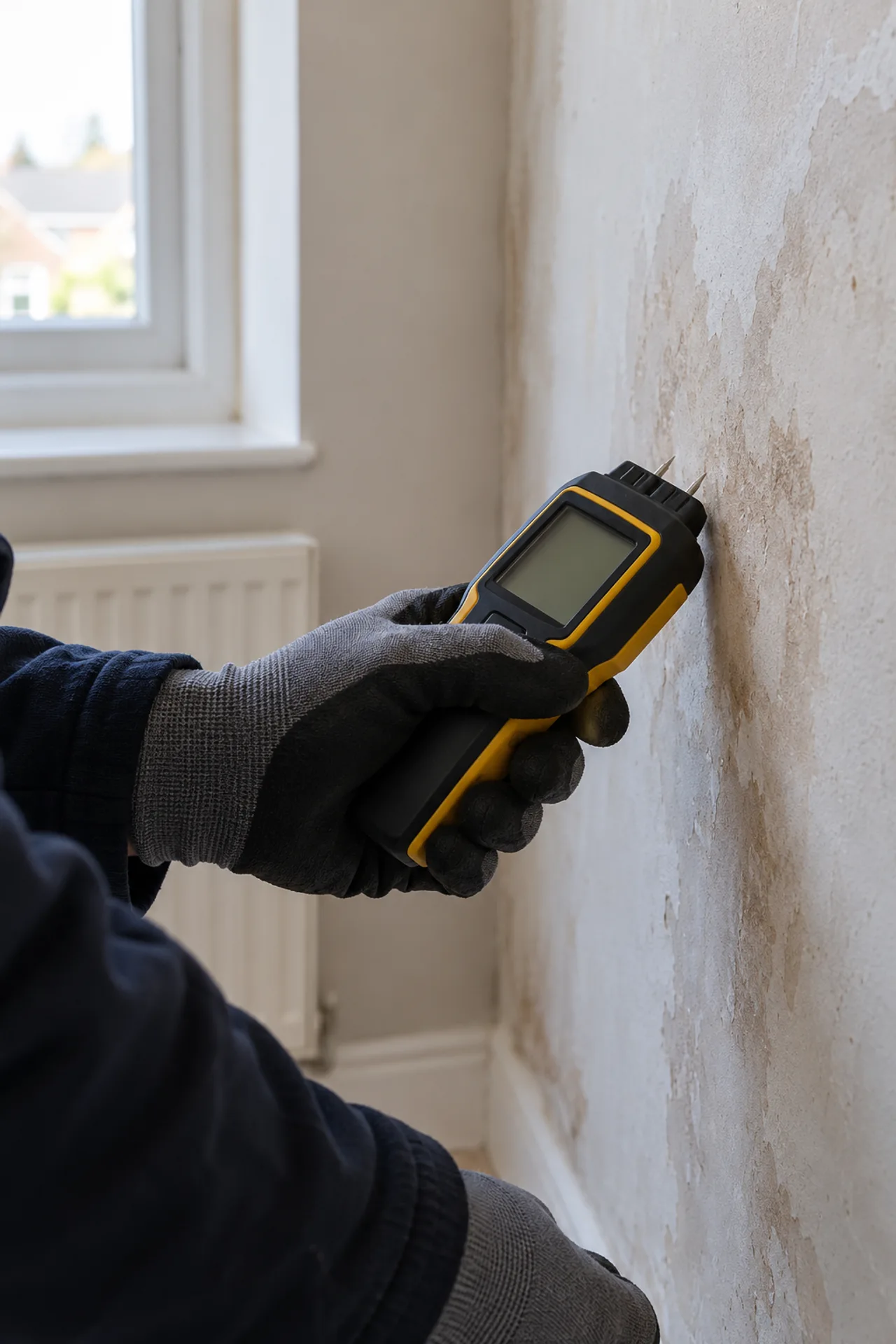
A QUOTE FOR THE ACTUAL AREA
Price follows
the assessed work.
The current public service pricing reference uses an individual assessment rather than a standard fixed mould-removal tariff. Bob’s therefore quotes for the specific work. We do not apply a household cleaning hourly rate to an unknown affected surface or publish a general market estimate as if it were the price of your treatment.
Ask for the treatment area, method boundaries and total to be confirmed before booking. Establish whether any inspection, access charge, repair or redecoration is separate. A quote limited to surface treatment should not be read as including a damp survey or structural remediation. Keeping those distinctions visible is more useful than a low headline figure that does not explain the work.
| Factor | Information to provide | Why it matters |
|---|---|---|
| Extent | Approximate area and number of locations. | Work may involve several separate surfaces. |
| Material | Paint, plaster, grout, sealant or another finish. | Treatment suitability and damage differ. |
| Access | Height, furniture and restricted spaces. | A safe working method must be possible. |
| History | Leaks, recurrence and previous products. | Cleaning may need to follow another investigation. |
| Additional work | Any proposed repair or redecoration. | Separate tasks need their own scope and price. |
BEFORE & AFTER THE VISIT
Prepare access.
Keep the evidence.
Keep photographs and a short history of the affected areas before changes are made. Identify any furniture that blocks the view, but ask before moving contaminated or damaged items. If you are arranging work on someone else’s property, confirm access and permission. Share existing inspection information with the relevant contractor rather than expecting a cleaner to reconstruct the problem from a freshly painted wall.
At handover, ask which areas were treated and which need another trade or further assessment. Keep the product-specific aftercare and any advice about access. Check that the proposed follow-up addresses moisture as well as the appearance of the surface. If the source has not been identified, that uncertainty should remain explicit rather than being hidden behind a claim of a permanent cure.
If growth returns, record where and when and report it. Repeatedly wiping the same patch without reviewing the moisture problem can delay the right action. A general home cleaning routine can keep accessible surfaces tidy, but it does not replace an investigation of damp, a repair to a leak or an assessment of a damaged building material.
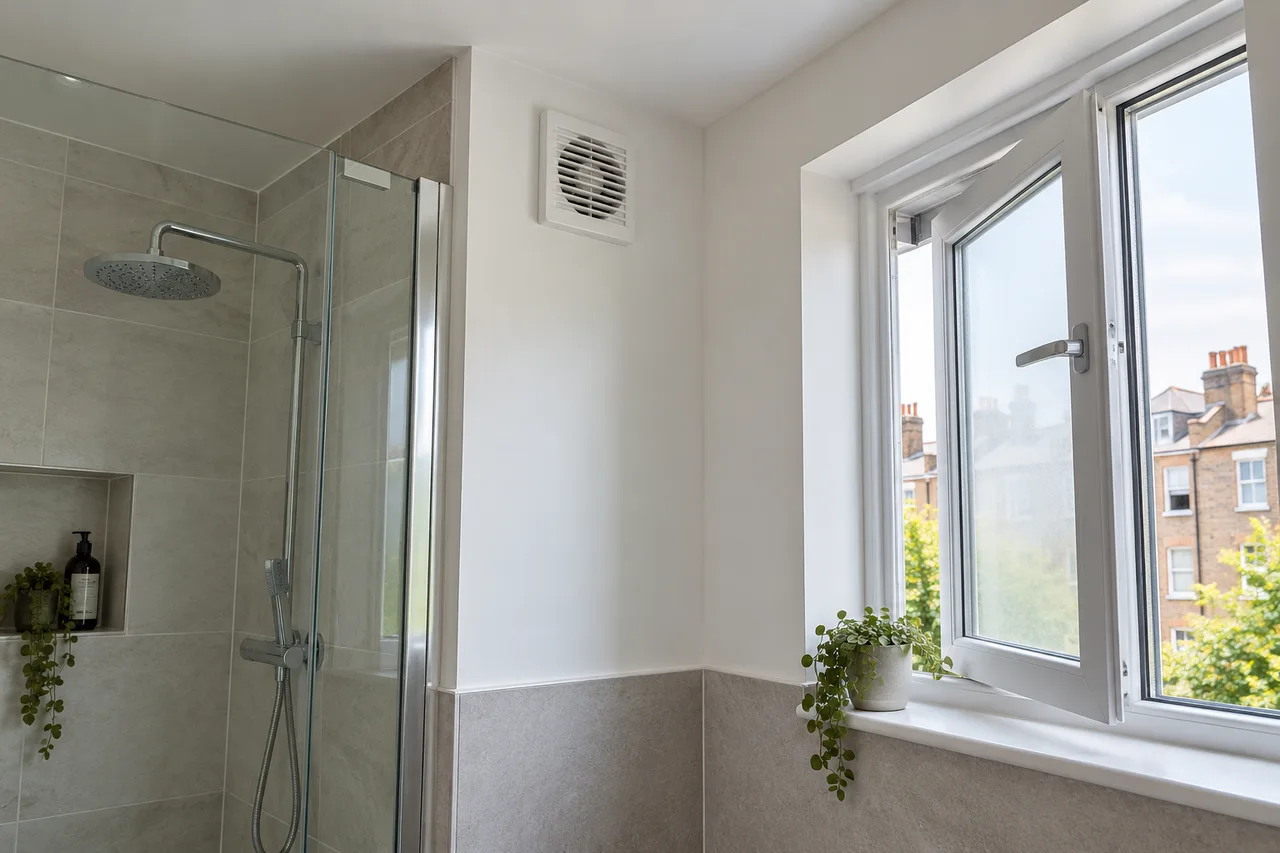
RELATED PROPERTY WORK
How this fits
with a wider clean.
For an occupied home, one-off cleaning can address agreed household tasks around the rest of the property. Keep that brief separate from mould treatment so the products, access and expectations are appropriate. A normal bathroom clean should not quietly become an unassessed remediation task.
If you are moving out, tell us about the issue before arranging end of tenancy cleaning. Report building-related damp to the landlord or agent as well. The re-clean information explains why a cleaning concern and a deposit decision are separate matters. Neither a routine clean nor a re-clean promise repairs an unresolved moisture source.
Call with your London postcode, the affected surfaces and a concise account of the problem. If you have already arranged repairs, explain what they cover and when they are due. Planning the sequence around that information helps avoid paying for surface work before the underlying issue is ready to be addressed.
| Record | Include |
|---|---|
| Location | Room, surface and approximate height. |
| Extent | Each visible patch, not only the largest. |
| History | First appearance, recurrence and previous work. |
| Moisture | Known leak or other observed damp. |
| Access | Restrictions and relevant occupant needs. |
BEFORE YOU BOOK
The questions
worth asking.
Will cleaning stop mould coming back?
Not necessarily. If the moisture source remains, growth can return. Treatment and resolving the reason for damp need to be considered separately.
Can you quote from one photograph?
A photograph helps explain location and appearance but may not show the extent, material or moisture source. Further information or assessment may be needed.
Should I scrub the area before you come?
Do not disturb growth as preparation. Avoid sanding, dry brushing or mixing chemicals. Agree safe preparation for the particular visit.
Does the service include fixing a leak?
A cleaning scope does not automatically include plumbing, roofing or building repairs. Confirm any additional trade work separately.
Can this be part of a tenancy clean?
Raise the issue before booking. Mould treatment may need a separate assessment and should not be assumed within ordinary bathroom cleaning.
What should a tenant do first?
Report the problem to the landlord or managing agent, keep a record and discuss access for investigation. Seek healthcare advice if there are health concerns.
GOOD TO TALK
Tell us what
needs attention.
Have the postcode, the main tasks and your preferred date ready.