
What Deep Cleaning Actually Includes (Beyond the Checklist)
Deep Cleaning Checklist
- Deep cleaning targets hidden dirt beyond routine cleaning.
- Kitchens and bathrooms need the most detailed attention.
- Hidden areas often collect long-term build-up.
- It includes both visible and hard-to-reach spaces.
- Moving-out cleans follow stricter standards.
- Regular deep cleans help maintain hygiene.
Regular cleaning keeps a home looking tidy, but it does not deal with dirt that builds up in hidden areas over time. Grease, dust, and limescale often remain in places that are not cleaned daily. A more detailed approach is needed to maintain proper hygiene across the property and understand what is actually involved beyond surface cleaning.
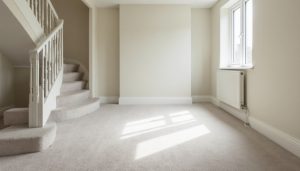
Most homes follow a regular cleaning routine that keeps visible surfaces in order and daily mess under control. Worktops get wiped, floors are vacuumed, and bathrooms are kept presentable. Yet even with consistent effort, certain areas gradually collect layers of dirt that are easy to miss, which is why deep cleaning becomes relevant over time.
This is where a more detailed approach becomes important. A thorough clean goes beyond what is seen at eye level and focuses on spaces that are often overlooked during routine upkeep. Dust behind furniture, grease inside appliances, and limescale in hidden corners can build up slowly over time without being noticed in any proper deep house cleaning approach.
For tenants, homeowners, and property managers, understanding what this deeper level of cleaning involves helps set realistic expectations. It is not simply about making a property look tidy, but about addressing areas that are usually ignored in everyday maintenance and preparing for situations like move-out cleaning.
Routine Cleaning vs Detailed Property Cleaning
Everyday cleaning is designed to maintain order. It focuses on visible and frequently used areas such as kitchen counters, bathroom sinks, and floors. While this keeps a home functional and pleasant, it does not address long-term build-up that only a full deep clean checklist would capture.
A more detailed approach targets the parts of a property that are not part of weekly routines. This includes hidden corners, internal appliance components, and areas behind fixed furniture that are commonly included in cleaning neglected areas.
For example, wiping a kitchen surface removes crumbs and spills, but it does not deal with grease that has accumulated behind the oven or inside extractor fans. These are the types of tasks that separate basic upkeep from a more intensive level of deep cleaning tasks.
Kitchens: The Highest Concentration of Hidden Build-Up
Kitchens naturally accumulate residue faster than other rooms due to cooking activity. Grease, steam, and food particles settle in places that are not always visible during daily use, making it a key focus in kitchen deep cleaning.
Common overlooked kitchen zones
- Behind and beneath appliances such as ovens and fridges
- Extractor fan filters and internal vents
- Cabinet tops and door edges
- Tile grout and splashback joints
- Under-sink pipework and storage areas
One of the most common surprises during a detailed kitchen clean is the amount of grease that builds up behind large appliances. Even in well-maintained homes, these areas are rarely moved or cleaned regularly during normal deep cleaning routines.
Inside appliances, seals and hidden compartments often trap residue. Over time, this can lead to odours or reduced efficiency if left unattended in any proper property cleaning guide.
Bathrooms: Moisture, Limescale, and Slow Build-Up
Bathrooms are constantly exposed to moisture, which creates ideal conditions for limescale, soap scum, and mould to form in hidden places that require consistent bathroom deep cleaning.
Key bathroom focus areas
- Shower door seals and corners
- Behind toilets and pipe connections
- Tile grout and silicone edges
- Extractor fans and ventilation points
- Under-sink cupboards
A common issue is limescale forming inside taps and showerheads. While the exterior may appear clean, internal blockages can develop slowly and affect water flow if not addressed during routine deep cleaning tasks.
Another often-missed area is silicone sealing. Small patches of mould can appear behind seals where moisture lingers, especially in poorly ventilated bathrooms that are not part of regular deep cleaning cycles.
Bedrooms and Living Spaces: Dust That Builds Quietly
Bedrooms and living rooms may appear clean at first glance, but dust naturally settles in areas that are rarely disturbed, which is why structured deep house cleaning is often required.
Frequently missed areas
- Under beds and behind headboards
- Wardrobe tops and shelving units
- Curtain rails and blind mechanisms
- Electrical sockets and skirting lines
Soft furnishings such as sofas and armchairs also collect fine dust and crumbs within seams and under cushions. These areas are not always included in routine upkeep but significantly affect overall cleanliness without proper hidden dirt in homes awareness.
Electronics like televisions and consoles also gather dust in ventilation openings, which can go unnoticed until performance is affected during a full deep cleaning cycle.

Hallways, Storage Areas, and Overlooked Spaces
Hallways and storage areas are often treated as transitional spaces, which means they are cleaned less thoroughly than main living areas, despite being part of overall property cleaning guide expectations.
Commonly overlooked zones
- Inside cupboards and understairs storage
- Door frames and handles
- Light switches and plug sockets
- High shelves and wall edges
These areas often show gradual dust accumulation, especially in busy households. Storage spaces are particularly prone to neglect since they are not frequently emptied during normal cleaning neglected areas routines.
Even walls and corners can collect fine particles over time, especially in homes with high foot traffic that require periodic deep cleaning tasks.
Moving Out of a Rental Property
When preparing a property for handover, expectations are usually higher than standard upkeep. Landlords and letting agents tend to inspect areas that are not part of everyday cleaning routines, especially during end of tenancy cleaning checks.
A full property reset before moving out typically involves:
- Cleaning inside cupboards and drawers
- Removing limescale from bathroom fittings
- Degreasing kitchen appliances internally and externally
- Cleaning behind and under furniture where accessible
- Wiping skirting boards, doors, and frames
Attention to detail matters, as missed areas can be easily identified during inspections, especially in any formal move-out cleaning process. Even small oversights may affect final assessments.

Common Misunderstandings About Deep-Level Cleaning
There are several misconceptions about what a thorough property clean actually involves beyond standard deep cleaning tasks.
Misunderstanding 1: It is just a longer version of regular cleaning
In reality, it involves accessing hidden areas, dismantling parts where needed, and addressing build-up that is not visible day to day, far beyond routine deep house cleaning.
Misunderstanding 2: A tidy appearance means everything is clean
Surfaces can look spotless while hidden zones still contain grease, dust, or residue that only a proper deep cleaning reveals.
Misunderstanding 3: It is only necessary for neglected homes
Even well-maintained properties accumulate dirt in unseen places over time, making periodic cleaning neglected areas essential.
These misunderstandings often lead to underestimating the level of detail required.
Areas Most Checklists Do Not Fully Cover
Standard cleaning lists often focus on visible tasks but do not fully explain deeper requirements that go beyond a basic deep clean checklist.
Some commonly under-described areas include:
- Internal seals in appliances and white goods
- Behind fixed furniture and heavy units
- Ventilation ducts and extractor systems
- Deep grout lines in tiled surfaces
- High-level ledges and ceiling corners
These spaces require more attention than simple wiping. In many cases, they need targeted treatment depending on how much build-up has developed within a full deep cleaning process.
A realistic checklist should always include both visible and hidden areas to ensure nothing is missed in any structured property cleaning guide.
How Often Should a Property Receive a Full Reset Clean?
The frequency depends on lifestyle, property type, and occupancy levels, but regular deep house cleaning is always beneficial.
General guidance includes:
- Every 3–6 months for busy households
- Every 6–12 months for quieter homes
- Before or after tenancy changes
- After long periods of vacancy
Kitchens and bathrooms often require more frequent attention due to moisture, heat, and grease exposure during kitchen deep cleaning and bathroom deep cleaning routines.
Regular upkeep between deeper cleans can significantly reduce the effort required each time.
What a Thorough Clean Reveals About a Home
A detailed cleaning process often highlights how much build-up occurs gradually, even in well-kept properties. Areas that appear clean at first glance can reveal surprising levels of hidden residue once fully inspected during proper deep cleaning tasks.
This difference between surface tidiness and true hygiene is often overlooked. Visible cleanliness does not always reflect what is happening in less accessible spaces without structured deep cleaning practices.
Understanding this helps create more realistic expectations and ensures attention is given to both appearance and long-term condition across all aspects of deep house cleaning.
FAQ
Common Questions on Cleaning Before Moving OutOur Services
Bobs Tenancy Cleaning Services:At Bobs Tenancy Cleaning, we offer a full range of end of tenancy cleaning services in London, including kitchens, bathrooms, carpets, and windows. Our team also provides deep cleans, move out cleaning, and after builders cleaning, ensuring every property is spotless and inspection-ready.


