
Kitchen Cleaning Standards for End of Tenancy Inspections
Kitchen Cleaning Checklist
- Inspection-ready kitchen presentation.
- Reduce risk of deposit deductions.
- Deep cleaning of appliances.
- Remove grease and limescale.
- Meet inventory check standards.
- Ideal for London tenants.
Meeting the expected kitchen cleaning standard is essential before handing back the keys. A clean, hygienic, and well-presented kitchen can help create a positive impression during inspections while reducing the risk of cleaning-related disputes. By paying attention to detail and addressing commonly overlooked areas, tenants can improve their chances of a smooth check-out process and a successful deposit return.
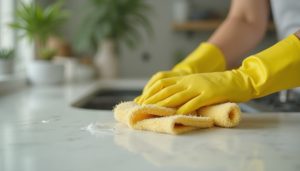
Moving out of a rented property involves much more than packing boxes and handing back the keys. One area that receives particularly close attention during final inspections is the kitchen. Landlords, letting agents, and inventory clerks often view the condition of the kitchen as a strong indicator of how well a property has been maintained throughout the tenancy.
Meeting proper kitchen cleaning standards for end of tenancy inspections can play a significant role in securing the return of your deposit. Grease, food residue, limescale, and overlooked appliances can quickly become points of concern during an inspection. Understanding what is expected can help tenants leave the property in excellent condition and reduce the likelihood of disputes.
Why Kitchens Receive Extra Attention During End of Tenancy Inspections
Kitchens naturally experience more daily use than many other areas of a home. Cooking, food preparation, washing up, and storage all contribute to the gradual build-up of dirt, grease, and bacteria. Even properties that appear generally clean can contain hidden areas where grime accumulates over time.
During an end of tenancy inspection, landlords and inventory clerks look beyond surface appearance. They assess whether the kitchen has been returned to a condition that matches the property’s inventory report, allowing for fair wear and tear. Particular attention is often given to hygiene standards because kitchens are closely linked to food safety and cleanliness.
Grease deposits around cooking areas, food residue inside cupboards, and limescale around sinks can all suggest inadequate cleaning. These issues may result in deductions if additional cleaning is required before new tenants move in.
Presentation also matters. A spotless kitchen helps create a positive impression during inspections and demonstrates that the tenant has fulfilled their responsibilities under the tenancy agreement.
What Landlords Expect from a Professionally Cleaned Kitchen
The standard expected during an end of tenancy inspection is significantly higher than routine household cleaning. While regular cleaning focuses on maintaining day-to-day appearance, end of tenancy cleaning aims to restore the kitchen to a thoroughly cleaned condition.
Worktops should be free from grease, stains, crumbs, and residue. Cupboards and drawers should be emptied and cleaned internally as well as externally. Any food remnants or sticky spills should be completely removed.
Kitchen appliances should be cleaned inside and out. Inventory clerks frequently inspect appliance interiors because these areas often reveal whether detailed cleaning has taken place.
Floors should be thoroughly vacuumed and mopped, including corners, edges, and spaces beneath appliances where accessible. Walls, splashbacks, and tiled surfaces should be free from cooking splashes, fingerprints, and marks.
Sinks and taps should be sanitised and free from limescale build-up. Drainage areas should appear clean and odour-free. The overall expectation is that the kitchen looks hygienic, fresh, and ready for immediate use by incoming occupants.
Kitchen Appliances That Must Be Thoroughly Cleaned
Oven and Grill
The oven is one of the most frequently inspected kitchen appliances during tenancy check-outs. Burnt food, grease deposits, and carbon build-up are common issues that attract attention from landlords and letting agents.
Racks, trays, grill pans, and interior surfaces should all be thoroughly cleaned. The oven door, including the glass panels, should be free from grease streaks and baked-on residue. Many tenants underestimate how closely oven interiors are examined during inspections.
Hob and Extractor Fan
Hobs often accumulate grease, food splashes, and burnt residue around burners and controls. Every cooking ring, surface edge, and surrounding area should be cleaned carefully.
Extractor fans are another high-risk area. Filters frequently collect grease over time and can become heavily contaminated if neglected. Inventory clerks commonly inspect extractor filters because they provide a clear indication of overall kitchen maintenance.
Microwave
Microwaves can quickly develop food splatters and unpleasant odours. Internal walls, ceilings, turntables, and door seals should all be cleaned thoroughly.
Food residue hidden beneath the rotating plate is a commonly overlooked issue that can be highlighted during inspections.
Fridge and Freezer
Both appliances should be emptied completely and cleaned internally. Shelves, drawers, seals, and storage compartments should be washed and sanitised.
Freezers should be defrosted where required and left free from ice build-up. Any lingering food odours can create concerns during the final inspection.
Dishwasher
Dishwashers often appear clean externally while hidden areas contain debris and residue. Filters, spray arms, seals, and internal surfaces should be checked carefully.
Standing water, trapped food particles, and unpleasant smells can indicate poor maintenance and may lead to cleaning concerns.
Washing Machine
Where a washing machine is located within the kitchen, it should form part of the cleaning process. Detergent drawers, rubber door seals, filters, and drum interiors should be cleaned thoroughly.
Mould, detergent residue, and trapped moisture frequently develop in hidden areas that tenants may overlook.
High-Risk Areas That Commonly Cause Deposit Disputes
Certain kitchen areas repeatedly appear in deposit-related disagreements because they are often missed during cleaning.
Grease on Extractor Fans
Extractor fans collect airborne grease generated during cooking. Over time, filters become sticky and discoloured. Because grease is highly visible during close inspection, neglected extractor fans regularly result in cleaning deductions.
Food Debris in Cupboards and Drawers
Crumbs, dried spills, and forgotten food items can remain hidden inside storage areas. Inventory clerks routinely inspect cupboards and drawers to ensure they have been emptied and cleaned properly.
Limescale Around Sinks and Taps
London and many surrounding areas within the M25 experience hard water conditions. This often leads to visible limescale around taps, sinks, and draining boards. Heavy limescale can create the impression of poor maintenance even when other areas appear clean.
Marks on Splashbacks and Tiles
Cooking splashes can leave grease marks on tiled walls and splashbacks. These stains become particularly noticeable under inspection lighting and can detract from the overall appearance of the kitchen.
Stained Flooring
Kitchen floors are vulnerable to spills, food stains, and heavy foot traffic. Areas beneath tables, appliances, and cupboards should receive special attention. Inspectors frequently check edges and corners where dirt can accumulate.
Odours Left Behind in Appliances
Unpleasant smells from fridges, freezers, dishwashers, or microwaves may suggest inadequate cleaning. Even if appliances look clean visually, persistent odours can raise concerns during inspections.
A Kitchen Cleaning Checklist Before Your Final Inspection
Using a kitchen inspection cleaning checklist can help ensure nothing important is missed before handover.
- Empty all cupboards, drawers, and storage areas completely.
- Wipe internal and external cupboard surfaces.
- Clean and disinfect all worktops.
- Remove grease and residue from splashbacks and tiles.
- Deep clean the oven, grill, and oven trays.
- Clean hob surfaces, burners, and controls.
- Degrease extractor fan filters and surrounding areas.
- Sanitise the microwave inside and out.
- Defrost and clean the fridge and freezer.
- Clean dishwasher filters and seals.
- Clean washing machine drawers and rubber seals.
- Remove limescale from sinks and taps.
- Clean light switches and kitchen handles.
- Vacuum and mop floors thoroughly.
- Check for hidden dirt behind movable appliances.
- Remove rubbish and dispose of food waste.
- Ensure all appliances are fresh and odour-free.
- Carry out a final visual inspection from floor to ceiling.
Following a detailed checklist can significantly improve your chances of meeting kitchen cleaning for deposit return requirements.

How Professional End of Tenancy Cleaning Helps Meet Inspection Standards
Many tenants choose professional cleaning services because of the level of detail required during end of tenancy inspections. Cleaning an entire kitchen to inventory standards can be time-consuming, particularly when appliances require deep cleaning.
Professional cleaners use specialised products designed to remove grease, limescale, burnt-on residue, and stubborn stains more effectively than standard household cleaners. They also follow structured cleaning procedures to ensure no area is overlooked.
A professional team understands the areas most commonly assessed by landlords, letting agents, and inventory clerks. This attention to detail can help tenants achieve the standard expected during check-out inspections.
Leaving Your Kitchen Inspection-Ready
Meeting proper kitchen cleaning standards for end of tenancy inspections is one of the most important steps tenants can take before moving out. Kitchens are carefully assessed because they are prone to grease, food residue, limescale, and appliance-related cleaning issues that can easily influence inspection outcomes.
Whether you choose to complete the work yourself or arrange professional end of tenancy cleaning London services, attention to detail remains essential. A thoroughly cleaned kitchen helps reduce stress, supports smoother inspections, and increases the likelihood of leaving the property in excellent condition when it is time to hand back the keys.
FAQ
Kitchen Cleaning Inspection FAQs