
The Equipment Difference Between DIY and Professional Cleaning
The Difference Between DIY and Professional Cleaning
- DIY uses basic tools, professionals use industrial equipment.
- Professional machines clean deeper than household tools.
- DIY removes surface dirt only, professionals handle tough buildup.
- Professional cleaning is faster and more efficient.
- Results are more consistent with professional tools.
- Professionals better meet tenancy inspection standards.
Cleaning a property looks simple until the results do not match the effort. Many tenants try to rely on basic household tools, but the outcome often feels incomplete. The real difference usually comes from the type of equipment used, especially when comparing DIY methods with professional cleaning systems used in the UK.
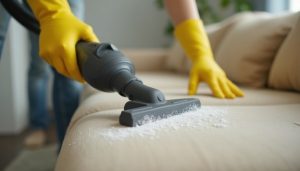
Moving out of a property always creates a specific kind of pressure because the space suddenly looks different when you know someone else will inspect it. You start noticing small details that were easy to ignore before, such as marks on skirting boards, light stains in corners, or buildup in places that were not part of your regular routine. At that point, cleaning stops being just routine maintenance and becomes something closer to a final inspection preparation.
The difference in outcome usually comes down to one key factor, which is the type of equipment being used throughout the process.
What DIY cleaning vs professional cleaning Actually Looks Like at Home
Most people rely on standard household tools because they are practical, affordable, and always available. A basic vacuum cleaner is usually used for floors and carpets, while a mop handles kitchen and hallway areas. Cloths and paper towels are used for wiping surfaces, and supermarket cleaning sprays are applied to bathrooms, kitchens, and general stains.
This setup works well in normal day-to-day living because the dirt has not built up enough to require deeper treatment. The issue appears when cleaning needs go beyond surface maintenance and becomes more about restoring a property to a higher standard.
Grease in kitchens often remains even after repeated wiping because standard sprays are designed for light residue rather than long-term buildup. Bathroom limescale tends to return quickly because it is not fully broken down at its source. Carpets may look visibly cleaner after vacuuming but still contain embedded dirt that cannot be reached without stronger extraction.
This is where DIY cleaning vs professional cleaning becomes very clear in practice, because household tools are built for convenience and not for deep restoration work.
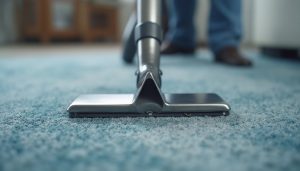
How professional cleaning equipment UK Changes the Entire Cleaning Process
Professional cleaning equipment is designed to handle levels of dirt that go beyond what normal household tools can manage. Instead of focusing only on surface cleaning, it is built to reach deeper layers where dust, grease, and bacteria often remain hidden.
Industrial vacuum systems are commonly used because they have stronger suction and filtration, which allows them to extract dirt from deeper within carpets and upholstery. Steam cleaning machines are also widely used because they rely on high temperatures to break down grime without excessive scrubbing or damage to surfaces.
Extraction machines play an important role in fabric and carpet cleaning because they pull out embedded particles that regular vacuuming cannot reach. In kitchens and bathrooms, professional-grade solutions are applied in controlled amounts to dissolve stubborn buildup around tiles, fittings, and appliances.
The key point is that professional cleaning equipment UK does not rely only on physical effort, but instead combines heat, pressure, and targeted solutions to achieve a more complete clean in less time.
Why end of tenancy cleaning equipment Delivers a Deeper Level of Clean
The difference in results becomes much more noticeable when a property is being prepared for move-out inspection. At this stage, cleaning is not judged casually, but compared against inventory records and expected standards set at the beginning of the tenancy.
Even when a property looks acceptable at first glance, closer inspection often reveals areas that were not fully cleaned during DIY efforts. Carpets may still carry faint stains that only appear under certain lighting conditions. Bathrooms may have thin layers of soap residue or limescale that reduce the overall appearance of cleanliness. Kitchens often retain grease in hidden spots such as behind appliances or along extractor areas.
The advantage of end of tenancy cleaning equipment is that it is specifically designed to address these hidden and built-up layers of dirt. It reaches areas that are usually skipped in routine cleaning and delivers a more uniform result across the entire property.
Another important factor is consistency, because professional equipment ensures that every area is treated with the same level of intensity rather than depending on how much time or effort is available during DIY cleaning.
Why tenancy cleaning standards Influence the Final Outcome
End of tenancy cleaning in the UK follows a different expectation compared to regular household cleaning because it is linked to property handovers, inventory reports, and deposit assessments. Landlords and letting agents do not only check whether a property looks clean, but whether it matches the condition recorded at the start of the tenancy.
This creates a higher standard that goes beyond visible cleanliness. Small details often become important during inspections because they indicate whether the property has been properly maintained. Light stains in ovens, minor carpet marks, or residue in bathroom corners can all affect the final assessment even if the rest of the property looks acceptable.
Professional cleaning equipment plays a key role in meeting tenancy cleaning standards because it ensures deeper cleaning consistency across all rooms. It reduces the risk of missed areas and improves the overall condition of the property before inspection takes place.
Cost vs Value in Real Situations
DIY cleaning is often seen as the cheaper option because it does not involve service costs, and most materials are already available at home. However, the real comparison is not only about money spent but also about time, effort, and final outcome.
DIY cleaning usually requires multiple hours or even days depending on the size of the property and the level of buildup. Even after this effort, some areas may still not meet inspection standards, which can lead to additional cleaning or deductions later on.
Professional cleaning, although more structured, often reduces the overall stress because it delivers a more predictable outcome. The right equipment allows the job to be completed more efficiently while achieving a higher level of cleanliness that aligns with inspection expectations.
When DIY Cleaning Is Still Appropriate
DIY cleaning is still suitable for everyday maintenance because it keeps a property in a generally clean condition without requiring specialist tools. Regular vacuuming, wiping surfaces, and light bathroom cleaning are all effective when done consistently.
In these situations, dirt has not had time to build up significantly, so standard household equipment is enough to maintain hygiene and appearance without additional support.
When Professional Cleaning Becomes Necessary
Professional cleaning becomes more important when the condition of the property requires deeper treatment rather than surface maintenance. This includes end of tenancy situations where the property must meet inspection standards before handover.
It also becomes necessary when there is long-term buildup that cannot be removed with standard tools, such as heavy grease in kitchens or deeply embedded carpet dirt. Time pressure is another factor because moving deadlines often leave limited opportunity to carry out multiple cleaning attempts.
In these cases, professional cleaning is not just a convenience but a practical solution for achieving a complete result within a limited timeframe.
Final View on deep cleaning services UK
The difference between DIY and professional cleaning is ultimately about depth, consistency, and reliability rather than effort alone. DIY methods are effective for maintaining a clean home in daily life, but they are not always sufficient when higher standards are required.
Professional equipment bridges this gap by delivering deeper cleaning results that are difficult to achieve with household tools. This becomes especially important during property transitions where inspection outcomes matter.
For situations involving moving out or preparing for inspection, deep cleaning services UK provide a more reliable approach that reduces uncertainty and ensures the property is presented at a higher standard.
FAQ
Frequently Asked QuestionsOur Services
Bobs Tenancy Cleaning Services:At Bobs Tenancy Cleaning, we offer a full range of end of tenancy cleaning services in London, including kitchens, bathrooms, carpets, and windows. Our team also provides deep cleans, move out cleaning, and after builders cleaning, ensuring every property is spotless and inspection-ready.


