
How Upholstery Can Affect Your Final Inspection
Upholstery Can Affect Your Final Inspection
- Upholstery can affect deposit return decisions.
- Hidden sofa stains are often missed by tenants.
- Odours trapped in fabric may fail inspections.
- Landlords assess furniture condition closely.
- Professional cleaning improves inspection outcomes.
- Furnished rentals usually have stricter standards.
When preparing for the end of a tenancy, upholstery is often one of the most overlooked areas in the property. However, sofas, chairs, and other fabric furniture can significantly influence how landlords and letting agents assess cleanliness during the final inspection. Understanding the risks linked to upholstery condition can help tenants avoid unnecessary deposit disputes and prepare more effectively before moving out.
Make an appointment
We proudly offer a deposit back guarantee with every end of tenancy clean. Thanks to our 168-hour re-clean policy, if your landlord or letting agent raises any issues, we’ll return and fix them free of charge. This way, you can move out stress-free knowing your property meets professional standards.
"*" indicates required fields

When tenants start preparing for the end of a tenancy, most of the focus usually goes to obvious areas like kitchens, bathrooms, and flooring. However, during a final inspection, upholstered furniture often becomes one of the most closely examined elements in the property.
A sofa, armchair, or fabric headboard may appear clean at first glance, but still raise concerns once a letting agent or landlord begins a detailed inspection. This is because upholstery absorbs daily use in ways that are not always visible on the surface.
Over time, this is where upholstery inspection risk becomes a real factor that can influence how the entire property is assessed.
Why Upholstery Matters in Final Inspections
In a furnished property cleaning context, upholstered furniture is considered part of the landlord’s provided inventory. That means it is not only expected to be functional, but also presented in a clean and well-maintained condition at the end of the tenancy.
From a landlord’s point of view, upholstery reflects how carefully the property has been treated overall. Even if walls and floors are spotless, a heavily used sofa with stains or odours can create a negative impression during inspection.
Fabric materials naturally absorb moisture, oils, dust, and airborne particles. Unlike hard surfaces, they do not show damage immediately, which makes them more likely to be overlooked during routine cleaning until inspection day arrives.
This is why upholstery is often included in inventory check reports, especially in fully furnished rentals.
Common Upholstery Issues That Lead to Deposit Problems
During inspections, landlords and agents tend to focus on a few recurring issues that frequently affect deposit decisions.
One of the most common is visible staining. Drinks, food spills, makeup, or pet marks can slowly build up and become permanent if not treated correctly. Even small stains can draw attention when the property is inspected in detail.
Another major issue is odour retention. Sofas and soft furnishings absorb smells from cooking, pets, smoking, and general living. These odours often become more noticeable once the property is empty, especially when ventilation changes.
Dust and embedded dirt are also common concerns. Over time, fabric fibres trap particles that regular vacuuming cannot fully remove. This can make furniture appear dull or aged.
In many cases, these problems are identified during a sofa cleaning rental inspection, where furniture condition is reviewed as part of the overall property standard.
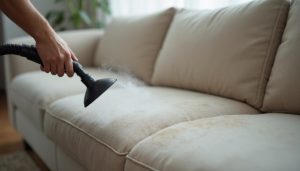
Upholstery Inspection Risks Tenants Commonly Miss
Many tenants assume that upholstery only needs attention if visible damage is present. However, inspections are often more detailed than expected.
One of the most overlooked issues is hidden dirt inside cushions and fabric layers. Even if the surface looks acceptable, deeper contamination can still be present and may be identified during closer inspection.
Another misunderstanding relates to “fair wear and tear.” While slight fading or softness is generally acceptable, anything that affects hygiene, appearance, or smell can be viewed differently by landlords.
Inspection expectations can also vary depending on the property type. In higher-standard or professionally managed rentals, expectations are often stricter, particularly when the furniture was provided as part of a premium setup.
These situations highlight why upholstery inspection risk is not always obvious until the final walkthrough takes place.
Professional Cleaning Before Moving Out
As the end of tenancy approaches, tenants often decide between cleaning upholstery themselves or using professional services.
DIY cleaning can be helpful for surface maintenance, especially for light dust or small marks. However, it often struggles to deal with deeper fabric contamination, especially when odours or long-standing stains are involved.
Professional cleaning, on the other hand, uses equipment designed to reach deeper layers of fabric. This can significantly improve the overall appearance and freshness of upholstered furniture.
Choosing upholstery cleaning tenancy services can reduce the likelihood of disputes during inspection, as it ensures furniture is restored closer to the expected standard in many rental agreements.
It also helps create a more consistent presentation across the entire property, which can positively influence the overall inspection outcome.
For many tenants, understanding the difference between basic cleaning and deep cleaning becomes an important part of preparing properly for moving out.
How Upholstery Fits Into Overall End-of-Tenancy Preparation
Upholstery should never be treated as an isolated task. Instead, it forms part of the wider end-of-tenancy process where every detail contributes to the final result.
A structured approach is often the most effective way to avoid missing key areas. Following a full end-of-tenancy cleaning checklist helps ensure that upholstery is considered alongside kitchens, bathrooms, and other high-priority zones.
In many cases, tenants underestimate how much attention is given to soft furnishings during inspections. Even when the rest of the property is clean, poorly maintained upholstery can create a negative impression that affects overall evaluation.
This is why preparation planning is essential, particularly in furnished rentals where furniture is part of the official inventory.
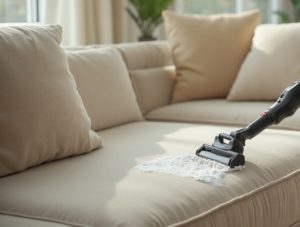
DIY vs Professional Expectations in Real Situations
The difference between DIY cleaning and professional results becomes clearer during inspections. While DIY methods can improve surface appearance, they may not fully remove deep-set stains or odours.
Professional services tend to focus on extraction-based cleaning, which targets embedded dirt within the fabric structure. This often produces a more consistent finish that aligns better with landlord expectations.
This comparison is explored further in discussions around DIY versus professional cleaning, especially when tenants are deciding how to allocate time and effort before moving out.
In many cases, the decision depends on the condition of the furniture, the time available before inspection, and the expected standards of the property.
Why Upholstery Condition Impacts the Whole Inspection
It is important to understand that upholstery is rarely judged alone. Instead, it contributes to the overall impression of cleanliness and maintenance throughout the property.
A well-presented sofa can support a positive inspection outcome, while neglected upholstery can raise questions even if other areas are clean.
This is especially true in furnished properties, where furniture condition is part of the rental agreement. Small details such as fabric freshness, stain presence, and odour levels can all influence the final report.
Because of this, upholstery often becomes a subtle but important factor in determining how smoothly the handover process goes.

Upholstery and Inspection Outcomes
Upholstery plays a much bigger role in tenancy inspections than many tenants expect. While it may not always be the first focus, it can significantly influence how the overall property condition is assessed.
Understanding how sofas and fabric furniture are evaluated helps reduce misunderstandings and avoids unnecessary disputes. In many cases, what matters most is not just visible cleanliness, but deeper freshness and maintenance.
By addressing furnished property cleaning early and paying attention to upholstery condition, tenants can significantly improve their chances of a smooth and stress-free final inspection.
FAQ
Common Questions Tenants Ask About Oven Cleaning and Inspections